
TLDR (too long didn’t read): What you need to know
The new Government has already announced several measures that could affect UK businesses, including further business rates support for eligible pubs, social clubs and live music venues, and a reduction in VAT on domestic electricity bills.
There are also wider tax proposals under consultation, including plans to extend VAT liability to certain sales made through online marketplaces by UK businesses.
For most businesses, there is no need to make immediate changes based on the announcements alone. However, understanding what has changed, what is still being proposed and what could affect your costs is an important part of forward planning.
What business changes have been announced?
Since Andy Burnham became the UK’s new Prime Minister last month, the Government has announced measures aimed at reducing costs for households and supporting businesses.
Not every measure will affect every business. Some are targeted at particular sectors, while others are primarily household measures with implications for certain organisations and smaller businesses.
There are also wider tax consultations taking place which could affect how some businesses deal with VAT and other areas of tax administration.
For business owners, the important distinction is between measures that have been confirmed, measures that are due to come into force in the future, and proposals that could still change
Business rates support for pubs, clubs and live music venues
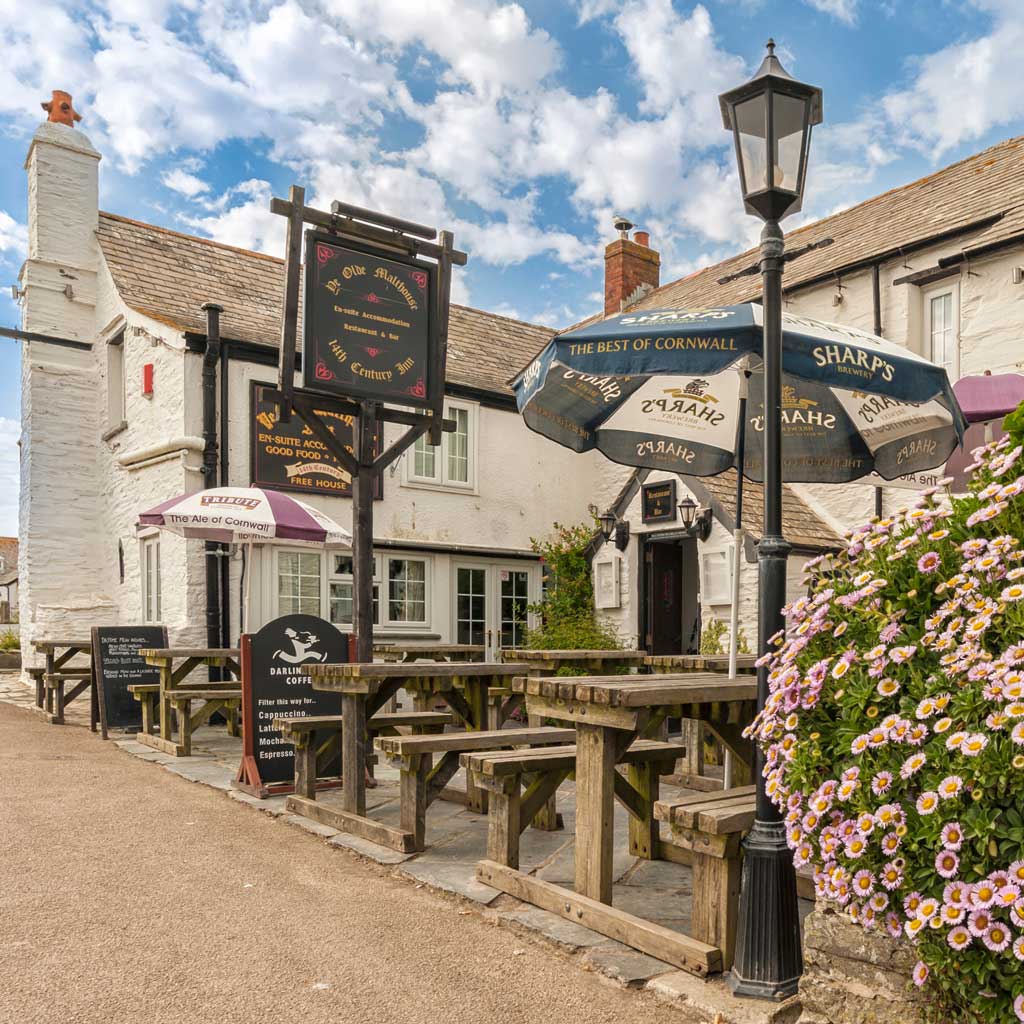
One of the clearest measures for businesses is a reduction in business rates for eligible pubs, social clubs and live music venues in England.
From April 2027, eligible businesses will receive a 20% reduction in their business rates bills. The Government estimates that the measure will benefit nearly 32,000 pubs, clubs and live music venues, with a typical pub expected to save around £1,100 in the following financial year.
This comes on top of existing support. Eligible pubs and live music venues are already receiving 15% relief on their 2026/27 business rates bills, with bills then frozen in real terms for a further two years.
The new 20% reduction will not apply to the very largest live music venues, with further details expected to be confirmed at the Budget.
What does this mean for hospitality businesses?
For businesses operating from commercial premises, business rates can be a significant ongoing cost.
The additional support could provide some breathing room for eligible businesses, potentially helping with cash flow and giving businesses more scope to invest in their premises, people or future growth.
However, eligibility matters. The announcement applies specifically to eligible pubs, social clubs and live music venues, so businesses should not assume that every hospitality or leisure business will qualify.
It is worth checking your business rates bill and understanding which reliefs are currently being applied rather than relying on general headlines about business rates.
Could there be further business rates changes?
Business rates have already changed significantly in 2026, following the latest property revaluation and the introduction of new business rates multipliers.
The Government has also indicated that it intends to go further with business rates reform, with further details expected at the Budget.
The latest announcement says that revenue raised through measures to improve tax compliance will be used to fund improvements to the business rates system for high streets.
For businesses operating from commercial premises, this makes business rates an area worth keeping an eye on over the coming months.
VAT changes 2026: what does the electricity measure mean for businesses?
Another early decision from the new Government has been a temporary reduction in VAT on domestic electricity bills.
From 1 October 2026, the VAT rate on domestic electricity will be reduced from 5% to 0% for the current financial year. The Government estimates that the measure will reduce the annual Ofgem price cap by around £45.
The change is primarily aimed at households, but the Government has confirmed that some small businesses which qualify for domestic energy VAT relief and are not VAT registered will also benefit, alongside eligible charities and residential care homes.
Does the electricity VAT cut apply to businesses?
Businesses should not assume that the removal of VAT from domestic electricity automatically means that VAT will disappear from their commercial electricity bills.
The Government’s announcement specifically relates to domestic electricity and identifies certain non-VAT-registered small businesses that qualify for domestic energy VAT relief as beneficiaries.
The VAT treatment of energy costs can depend on the circumstances, so businesses should check how their own supplies are treated rather than assuming the domestic change applies to them.
VAT and online marketplaces: a proposal to watch
There is another VAT development that could be relevant to businesses selling through online marketplaces.
HMRC and HM Treasury are consulting on proposals to extend existing online marketplace VAT liability rules to certain sales made by UK businesses through online marketplaces, where the goods are in the UK at the point of sale.
The proposal could cover domestic sales of goods, including retail goods, as well as restaurant and takeaway food sold through online marketplaces.
The Government’s stated aim is to tackle VAT non-compliance and create a more level playing field between businesses that meet their tax obligations and those that do not.
These proposals are not yet confirmed and the consultation is still ongoing, but they are one to keep an eye on if your business sells through an online marketplace.
What do these changes mean for your business?
When a new tax or business measure is announced, it can be tempting to focus on the headline figure.
For example, a reduction in business rates sounds positive, but what matters to an individual business is how much it will actually save, when that saving will take effect and how it fits into the wider cost of running the business.
The same applies to VAT. A change to one type of supply does not necessarily mean the VAT treatment of all similar-looking costs has changed.
Looking at the detail can help you avoid making decisions based on assumptions.
Consider the impact on cash flow and margins
Changes in costs can have a knock-on effect across your business.
If your overheads fall, that could create additional cash for investment, recruitment or building reserves. Equally, if another cost increases or a tax change affects your margins, you may need to revisit pricing, budgets or forecasts.
This is where up-to-date financial information becomes particularly useful. A cash flow forecast can help you understand how changes in income and expenditure could affect your available funds, while management accounts can provide a clearer picture of profitability.
What should business owners do now?
For most businesses, the announcements made so far do not require major immediate changes.
There are, however, some sensible steps you can take:
- Check your latest business rates bill and make sure any applicable reliefs have been reflected.
- If you operate from commercial premises, understand how business rates affect your overall occupancy costs.
- If you sell through online marketplaces, keep an eye on the VAT consultation and any subsequent announcements.
- Review your energy bills and understand how VAT is currently being treated.
- Update your cash flow forecasts when confirmed changes are likely to affect your costs.
- Keep an eye on the Autumn Budget for further tax and business rates announcements.
- Speak to your accountant if you are unsure whether a particular measure applies to your business.
Need help understanding what the changes mean for your business?

Keeping up with tax and business policy is one thing. Understanding what it means for your own cash flow, profitability and plans for growth is another.
At Harland, we work with business owners to understand where they are now and plan for what comes next. From tax planning and management accounts to cash flow forecasting, the right financial information can help you make decisions with greater confidence.
If you’re already a Harland client, speak to your Client Manager if you’d like to discuss what these changes could mean for your business.
If you’re looking for an accountant who can support both the financial and wider ambitions of your business, book a free discovery call to explore whether Harland is the right fit.