
TL;DR: What you need to know
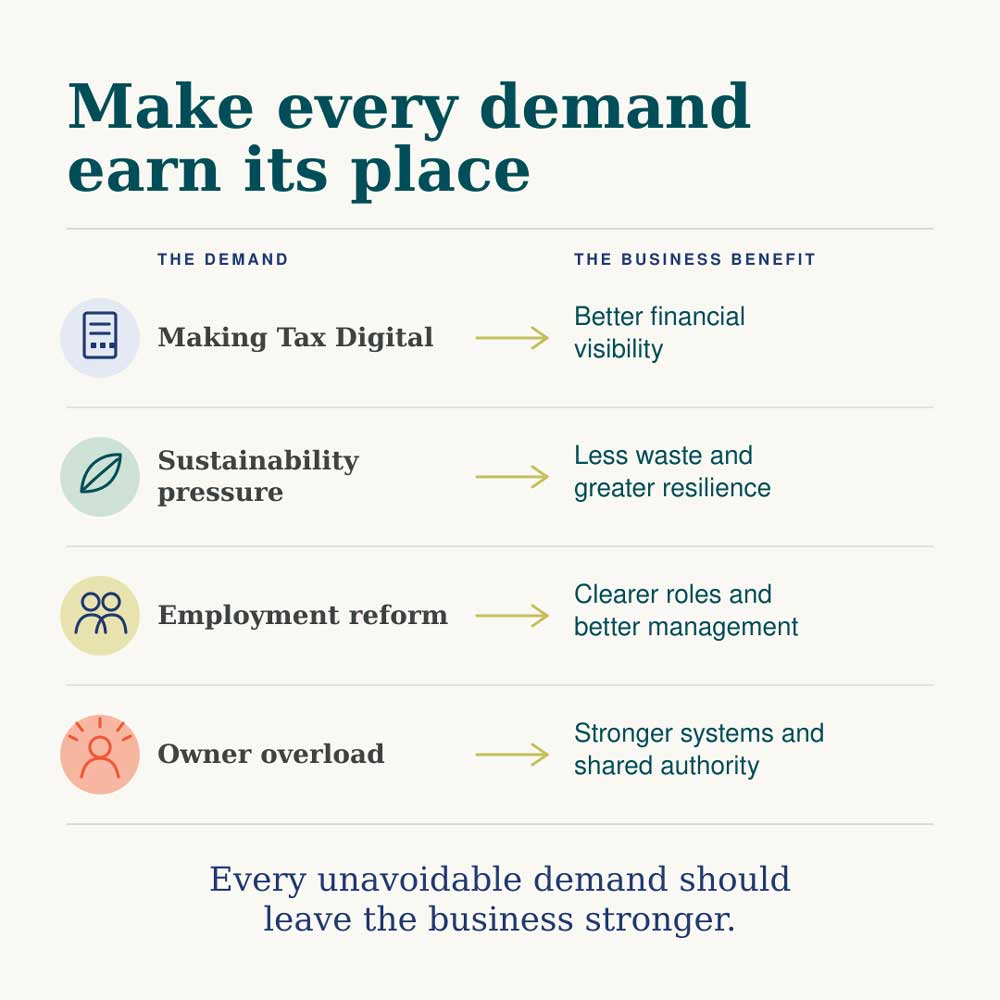
New regulations, sustainability expectations and reporting requirements do not have to become dead weight. Used well, they can improve financial visibility, reduce waste, strengthen management and create a business that is less dependent on its owner. Business sustainability makes the greatest difference when it supports a company that is profitable, resilient and well led.
One year after achieving B Corp certification, Harland is beginning work on its first Impact Report. Looking back at what we have achieved, where we have made a difference and where we still need to improve has prompted a much wider question. At a time when business owners are facing rising costs, new regulation and growing expectations, how can responsible business practices strengthen the business rather than become another burden? In this month’s article, Deborah Edwards explores why doing good and doing well should never be treated as separate ambitions.
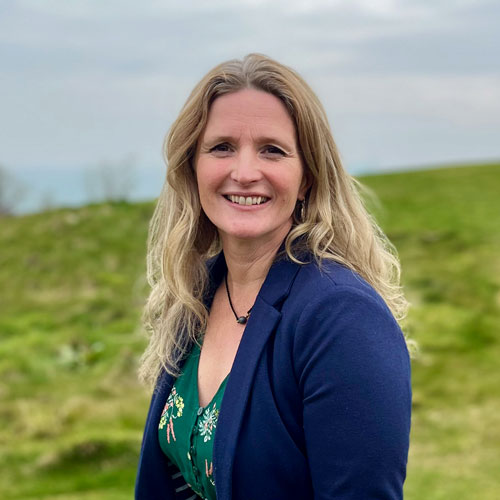
About the author: Deborah Edwards
With over 20 years’ experience, Deborah Edwards is a Chartered Accountant, business mentor and Practice Director at Harland. She works closely with purpose-led business owners to help them build financially healthy businesses, make confident decisions and create lasting impact through profit and purpose.
Why responsible business must work for the business
It’s been a year since we achieved our B Corp accreditation, which means that it’s time to pen our Impact Report, measuring what we have achieved, where we have made a difference and where we still need to improve. It has been a positive exercise, but it has also made me think about the reality facing business owners today.
Business owners are trying to survive and grow while keeping up with regulation, and significant employment reforms. We are absorbing increased costs and taxes while waiting to discover what else might emerge from the Budget at the end of October. At the same time, we are expected to lead our people well, reduce our environmental impact, contribute positively to society and conserve enough personal energy to keep going. That is before we do the work our customers & clients actually pay us for.
For many owners, doing good can feel like one more responsibility being added to an already overloaded business. Sustainability becomes another policy, impact reporting becomes another document and HMRC reporting becomes another deadline.
So, I’ve been thinking. How can we find the light at the end of the tunnel? The silver lining or making of lemonade? Perhaps the answer is not to care less or resist every new requirement. Instead, we should make every demand placed upon the business work harder for the business… in short, turn every challenge into an opportunity and therefore a positive.
Make the numbers work for you

For those business owners who are now caught under Making Tax Digital, this could easily become another government compliance exercise, but if businesses have to embrace it, they should make sure they gain more from it than the government does (that’ll show ’em!). Our past experience when MTD was rolled out initially is that many of our clients upped their game, becoming more profitable, more focused and in short, better businesses, because they paid more attention to the numbers.
Do not simply digitise poor records and send the information to HMRC more frequently. Use the change as an opportunity to create a better financial system. Keep bookkeeping genuinely up to date, understand margins, monitor cash and identify which customers, products or services are actually profitable. Build a simple dashboard that helps you make decisions throughout the year, rather than relying on accounts that explain what happened many months ago.
A friend recently attended Tony Robbins’ Unleash the Power Within, where one of the questions was, “What is the most important number in your business?” It is an important question because the answer probably is not turnover. Depending on the business, it might be gross margin, recurring revenue, average order value, chargeable capacity, customer retention or the number of weeks of cash remaining in the bank.
The important thing is to identify the number that tells you whether your business is becoming stronger and then monitor it early enough to act. Whether or not Making Tax Digital is a new requirement for you, it might provide the push that no one requested, but it can still result in a more visible, responsive and profitable business.
Solve business and sustainability problems together
The same principle applies to sustainability. You do not necessarily need to begin with a grand environmental strategy. In fact, it’s better if you don’t. Instead, identify a genuine problem in the business and ask whether there is a more sustainable way to solve it.
Perhaps packaging costs are increasing, parcels contain too much empty space and breakages are creating expensive returns. Do you need to add another string to your sales bow? Perhaps travel is consuming too much time and money, so some meetings could take place online. Or alternatively, perhaps your business needs to spend more time nurturing face to face relationships in the old-fashioned way. Maybe rising energy costs might justify investing in more efficient equipment, while unwanted materials might be useful to another local organisation.
Sustainability is most powerful when it is not treated as a worthy extra. It should help the business become leaner, more resilient, less wasteful or more valuable to its customers. Find the problem you already need to solve and look for a solution that also creates a positive impact.
Use compliance to strengthen the business
Employment reforms will create new responsibilities, processes and costs for employers, and small businesses need to be honest about that. However, preparing for these changes can also expose weaknesses that already exist, including unclear contracts, inconsistent management, unspoken expectations and too many important decisions resting with the owner.
Use the reforms as an opportunity to clarify roles, improve policies, train managers and create fair and consistent ways of working. Done properly, compliance can produce a business where employees feel secure, managers feel confident and the owner carries less of the emotional and operational burden.
Protect the energy of the owner
There is another form of sustainability that business owners often overlook, which is their own. Many businesses survive because one person continually absorbs the gaps. They remember everything, approve everything and rescue everything. This might work for a while, but it cannot continue indefinitely. If the business depends on your constant availability, that is not simply evidence of your value. It is also a significant business risk.
Give yourself permission to make yourself redundant from the tasks and decisions that should no longer require you. Document what you know, build repeatable processes, give people meaningful authority and automate predictable work. The goal is to create a business that benefits from your leadership without consuming all your energy.
Turn every demand into an opportunity
Business owners cannot control every tax rise, policy announcement or regulatory change. We can, however, decide whether each new demand becomes dead weight or a catalyst for improvement.
Doing good should not sit separately from doing well. The businesses most capable of creating positive change are those that remain profitable, resilient and well led, with owners who still have enough energy to lead them.
Build a business where profit and purpose work together

If you want to build a financially healthy business that is resilient, well led and equipped to create positive impact, we’d love to help.
If you’re new to Harland, book a discovery call to talk through how we can support you. If you’re already a client, speak to your Client Manager about the changes that could make the greatest difference to your business.