
TLDR (too long didn’t read): What you need to know
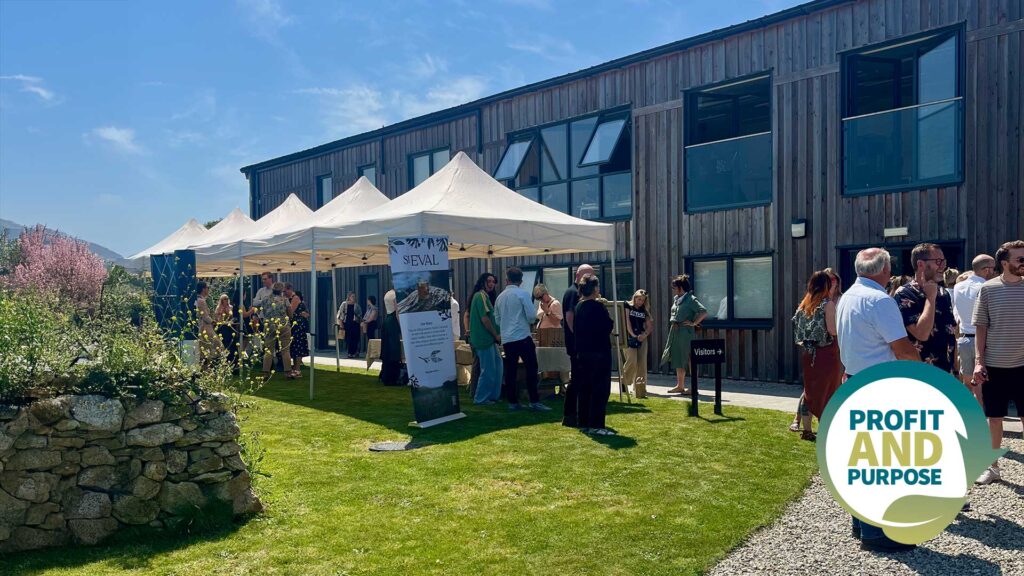
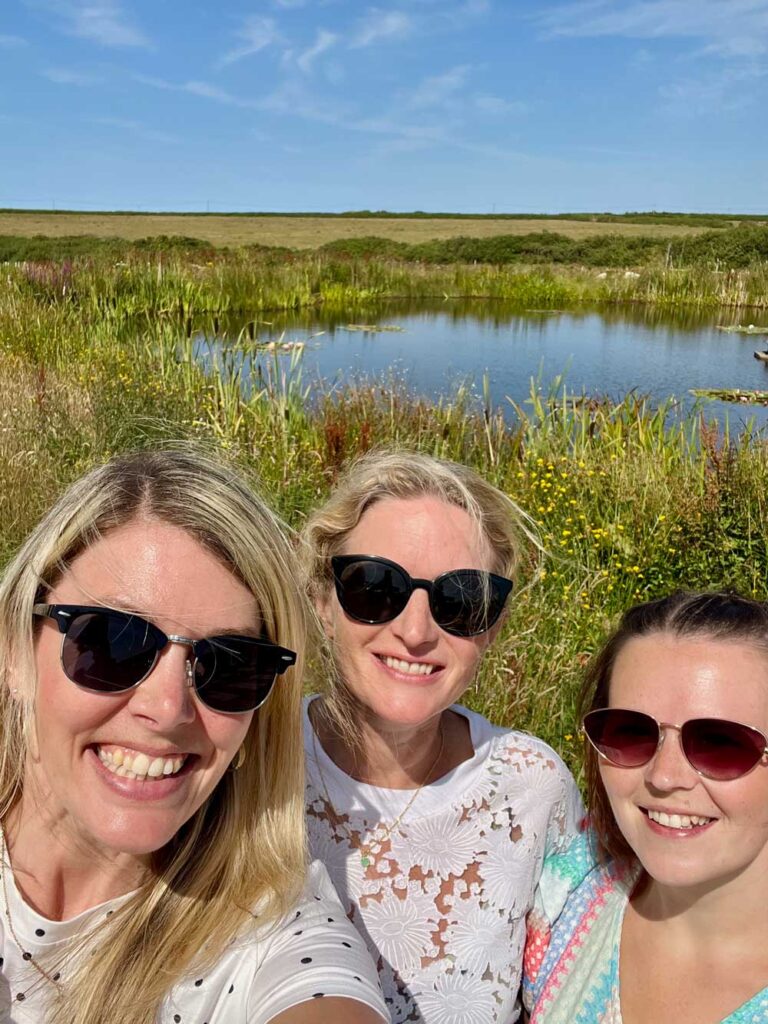
Last month, Harland Accountants joined B Local Cornwall’s Purpose on a Plate gathering at St Eval Candle Co., with Deborah Edwards, Sophie Clinton and Zoe Dodd representing the team. The afternoon brought together purpose-led businesses and B Corps from across Cornwall to share how they are putting people, planet and profit into practice. For us, the biggest takeaway was that purpose-led business and commercial success can go hand in hand. Sustainability can create opportunities to reduce waste, innovate, develop new products and generate new revenue.
We also reflected on another important part of being a B Corp: giving people across a business a recognised framework for questioning decisions and asking whether they reflect the organisation’s values. Ultimately, purpose isn’t something that sits alongside commercial decision-making. Done well, it can help build a stronger, more sustainable and more resilient business.
What does purpose-led business look like in practice?
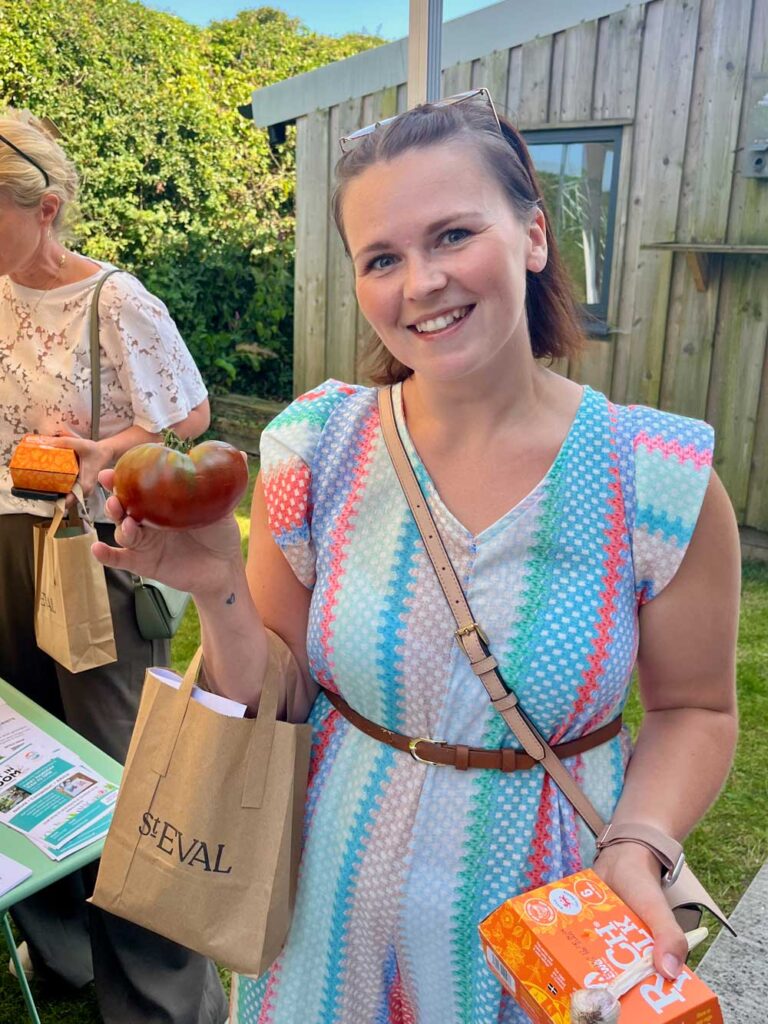
That was one of the questions at the heart of B Local Cornwall’s Purpose on a Plate gathering at St Eval Candle Co. last month. Harland’s Deborah Edwards, Sophie Clinton and Zoe Dodd attended the event, which brought together businesses that share an interest in building a more sustainable and purpose-led economy. It was also a great opportunity to catch up with many of our clients and meet other businesses working to put their values into action.
One thing that stood out to us was how practical the conversations were. Purpose was not being discussed simply as an ambition or something to include in a business plan. The businesses sharing their experiences were demonstrating how values can influence real decisions, from production and packaging to waste, transport, people and new product development.
Sustainability can create commercial opportunities
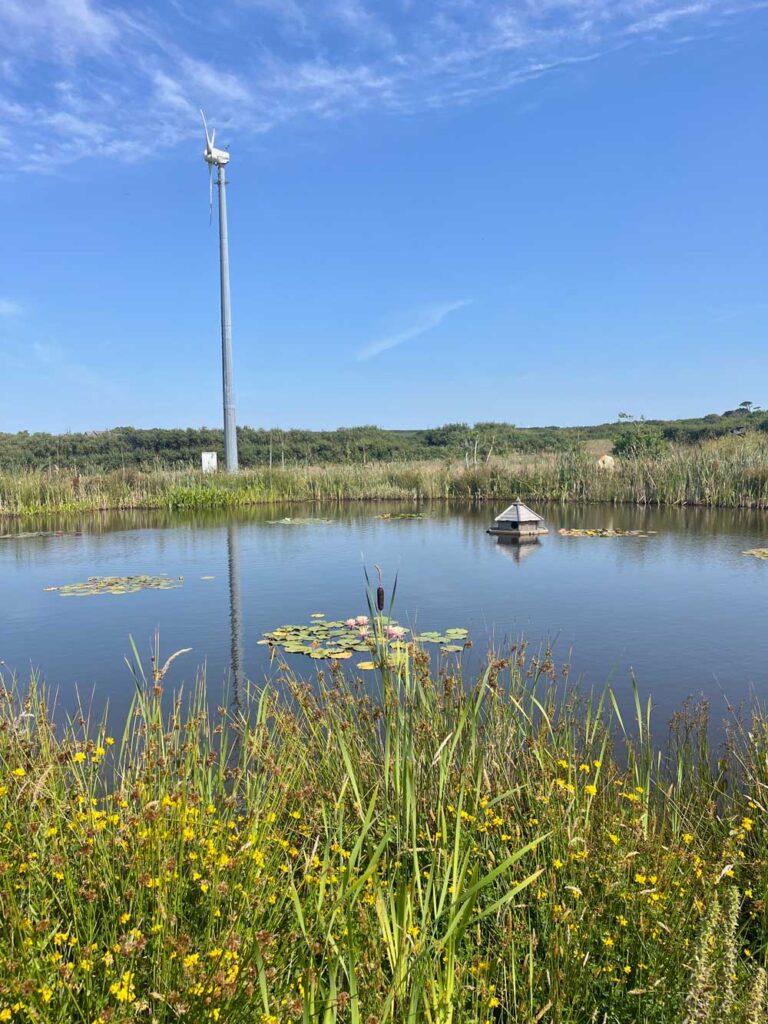
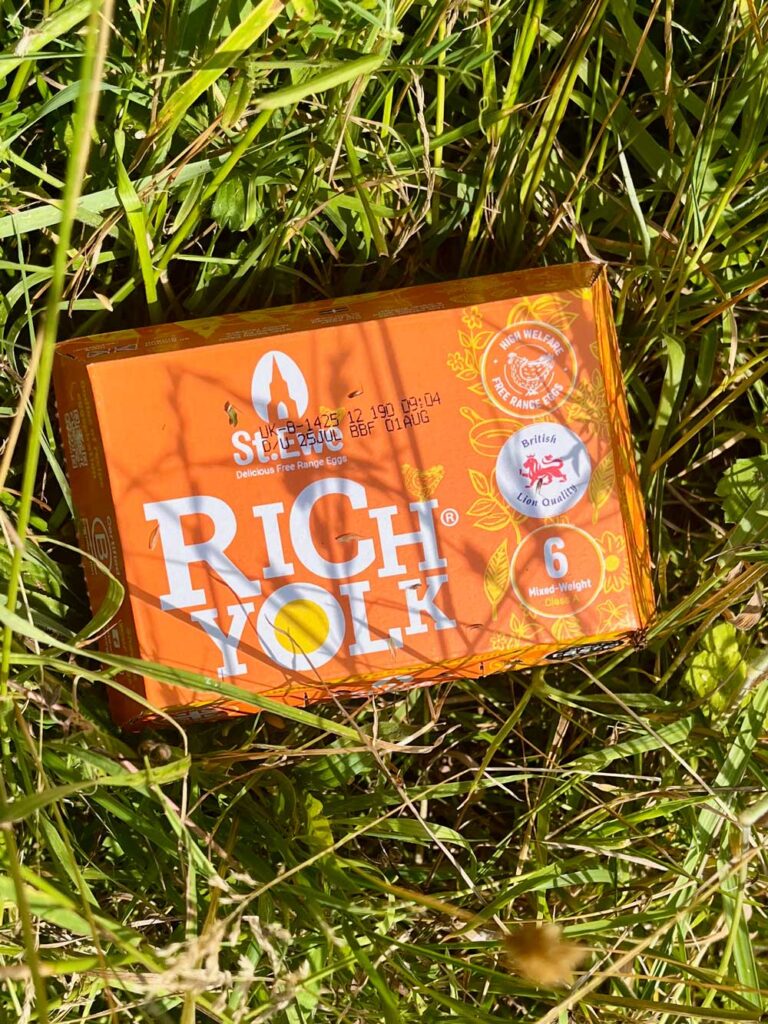
One of the strongest examples came from St. Ewe Free Range Eggs, who spoke about considering sustainability throughout their whole process. That included farming and production methods, packaging made from 100% recycled cardboard and the use of electric vehicles for deliveries. It was a useful reminder that sustainability can be considered at every stage of a business, rather than treated as a separate project.
We also heard from Rodda’s Clotted Cream and Lynher Dairy about how they are looking beyond simply reducing waste. Instead, they are exploring whether by-products from their main production processes can be turned into entirely new products.
Looking at waste differently
The example from Rodda’s particularly caught our attention. Rather than seeing a by-product purely as something to dispose of, the business has explored whether it could become the starting point for something new. Their cottage cheese is an example of how looking differently at existing resources can potentially create both environmental and commercial benefits.
There is an important lesson here for any business. Sustainability is sometimes viewed primarily as a cost. But that is not always the case. Taking a fresh look at waste, resources and existing processes can uncover opportunities to innovate, reduce waste and potentially create new sources of revenue. It is a great example of profit and purpose working together, rather than being treated as competing priorities.
And, having had the chance to try some of Rodda’s soon-to-be-available cottage cheese ourselves, we can confirm that the product side of the equation looked promising too. We’re still campaigning for the name “clot-age cheese”, though.

How to embed purpose across your business
Our conversations on the journey home also turned to another benefit of being a B Corp that perhaps receives less attention. A clear purpose and set of values can help attract people who want to work for a business whose principles align with their own. But there is another important benefit. Those principles can give people across the business a framework they can use when making decisions.
Giving people permission to challenge decisions
Purpose should not sit solely with the directors or exist as a statement in a policy document. When values are genuinely embedded within a business, they can give people throughout the organisation permission to ask questions such as:
- Does this decision reflect who we say we are?
- Could we approach this differently?
- Is there a better way to consider the impact on our people, our planet and our business?
That can be a powerful thing. It means purpose becomes part of how a business operates, rather than something that only appears in its marketing.
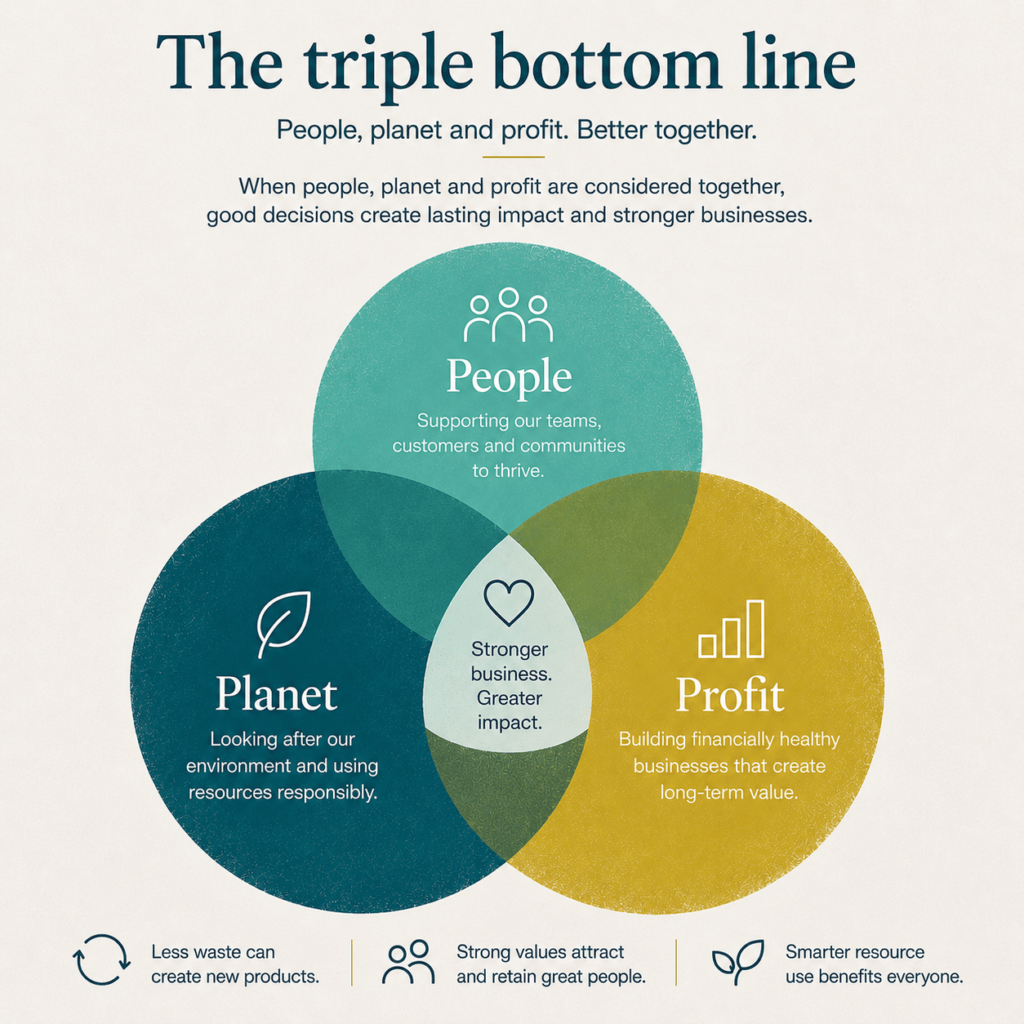
People, planet and profit: the triple bottom line in business
At Harland, being a B Corp is not about claiming that we have everything figured out. For us, it provides a framework for continuing to ask better questions and keep improving. The triple bottom line, considering people, planet and profit together, is central to how we think about purpose-led business.
Profit matters. A sustainable business needs to be financially healthy if it is going to support its people, contribute to its community and create a lasting positive impact. But profit does not have to be the only measure of success.
The conversations at Purpose on a Plate were a useful reminder that the most interesting opportunities can sometimes sit where these priorities overlap. A change that reduces waste might also create a new product. A strong set of values might help attract and retain talented people. A different approach to resources might lead to both environmental and commercial benefits. Purpose can influence the decisions that make a business stronger.
A growing purpose-led business community in Cornwall
One of the things we value most about events like this is the opportunity to learn from other businesses. Cornwall has a growing B Corp community, with more businesses considering how commercial success can sit alongside positive social and environmental impact. Bringing those businesses together creates opportunities to share experiences, challenge assumptions and learn from what others are already doing. For Harland, it is also an important part of our own journey as a B Corp.
We want to continue building relationships with businesses that believe success can mean more than financial performance alone. Businesses that care about their people, their communities and their environmental impact, while also recognising the importance of being commercially sustainable. That is where we see a natural connection between purpose and accountancy.
For purpose-led businesses, good financial information helps turn ambitions into practical decisions. Understanding profitability, cash flow, margins and the financial impact of different choices can help business owners balance their wider goals with the need to build a resilient, commercially sustainable business.
As a B Corp accountant, that’s an approach we understand first-hand. Purpose and profit aren’t opposing forces. Strong financial performance can give a business greater capacity to invest in its people, reduce its environmental impact and make a positive contribution to its community.
For us, good accountancy isn’t simply about reporting what has already happened. It’s about giving business owners the clarity and confidence to make informed decisions about what happens next, while keeping their commercial goals and wider purpose in view.
Can purpose and profit work together?
Our afternoon at St Eval left us with plenty to think about. From rethinking waste and creating new products, to embedding values throughout a team, the businesses we heard from showed that purpose-led business is not one single approach. It is about the decisions you make every day. For us, that means continuing to consider people, planet and profit together, and helping the businesses we work with have the clarity and confidence to make decisions that support both commercial success and their wider ambitions.
A big thank you to B Local Cornwall, St Eval Candle Co. and all of the speakers and businesses who shared their experiences so openly. We’re looking forward to continuing the conversation and learning from the many purpose-led businesses doing great things across Cornwall and beyond.
Looking for an accountant for your purpose-led business?

If you’re building a purpose-led business and want an accountant who understands that commercial success and positive impact can go hand in hand, we’d love to hear from you. As a B Corp ourselves, we understand the challenge of balancing people, planet and profit while building a financially strong business.
Book in for a discovery call and see whether we’re the right fit for your business.