
Running a business asks a lot of you, especially at the moment. Keeping customers happy, supporting your team, managing cash flow, paying yourself and making decisions about the future can easily fill every working day. You may also want your business to make a positive difference. But when time and money are stretched, knowing where to begin can feel difficult and can feel like less of a priority.
Some of the Harland team are attending the Blue Earth Summit in London this week, which we know will prompt conversations about business and its impact and so we wanted to share a practical starting point in a way that’s easy and not a burden: The win-win? look for changes that benefit both your business and the environment.
My good friend Jasper Steinhausen, an author and sustainability expert, explores this in his free video course, Sustainability as a Business Driver for Beginners. His approach connects sustainability to the commercial challenges businesses already face but we thought we’d share five tips that stood out for us to get you started with ease.
5 sustainable business practices that can save money
1. Start with a problem you already need to solve
Perhaps your margins are being squeezed, energy bills are too high or you’re holding more stock than you need. These are useful places to look for opportunities to improve your environmental impact too.
Reducing unnecessary packaging, for example, could lower purchasing and delivery costs while reducing material use.
Start by writing down your three biggest business challenges. Where might using fewer resources or reducing waste help?
2. Find out what waste is really costing you
Waste can become so familiar that we stop questioning it: materials thrown away, products damaged in storage, unnecessary printing or equipment left running.
The cost can extend beyond the item itself. You may also have paid to transport it, store it, process it and eventually dispose of it.
Choose one area and investigate. What are you buying? How much gets used? What is lost along the way? Ask your team for ideas and inspiration. They may already know where improvements could be made.
3. Get more from what you already have
A more sustainable business does not always begin with new equipment or a major investment.
Jasper encourages businesses to optimise existing buildings, vehicles and equipment first. Maintenance, heating controls, delivery planning or better use of space may offer a sensible starting point.
Before committing cash, understand the likely savings, the payback period and what the business can afford. A worthwhile investment still needs to work with your cash flow.
4. Choose one action and follow it through
An ambitious list can be hard to deliver alongside everything else. Give yourself permission to begin with one meaningful improvement.
Agree what will change, who is responsible and when you will review it. Measure the financial saving and, where possible, the reduction in materials, energy or waste.
It is also worth reviewing projects already under way. Which should continue? Which need adjusting? Which are taking time without delivering enough value?
5. Share specific, honest progress
You do not need to have every answer before talking about what you are doing. Be clear about the changes you have made, the results you can demonstrate and what you still want to improve.
A specific explanation of how you reduced packaging is more useful than a broad claim about being environmentally friendly. Let the evidence support the story.
Making profit and purpose work together
At Harland, our own B Corp journey has reinforced the importance of connecting our values to everyday decisions. That takes attention and ongoing work and we’ll soon be sharing our first impact statement. Watch this space!
For clients starting out, our encouragement is simple: choose an improvement that matters to your business, understand the numbers and build from there.
If you would like help assessing the costs, savings or cash flow implications of an idea, speak to your usual Harland contact. We can help you make a decision that supports both your business and the impact you want it to have.
Deb
About the author:
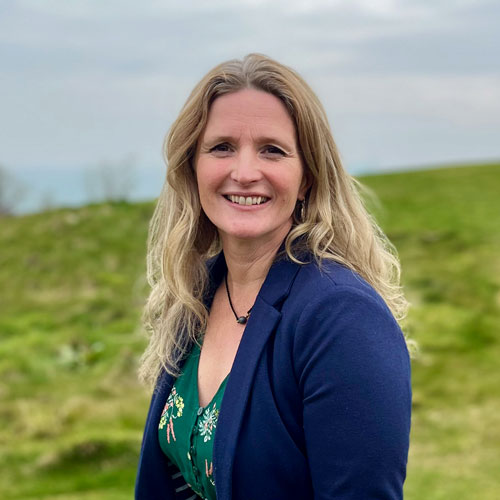
Deborah Edwards
With over 20 years’ experience, Deborah Edwards is a Chartered Accountant, business mentor and Director at Harland, helping purpose-led business owners improve performance through clearer financial insight and better decision-making.